White Smoke 2025 — Inside the Election of Pope Leo XIV
By the Leo XIV Community Team • 9 May 2025
The evening sun lingered over St Peter’s Square on when an unmistakable plume of white smoke burst from the Sistine Chapel chimney. Moments later, bells erupted across Rome, announcing that the 133 cardinal electors had chosen a successor to Pope Francis: Robert Francis Prevost, now Pope Leo XIV. The first American on the Chair of Peter, his election sent ripples of hope through Catholic communities from Lima to Lagos.
1. A Conclave of Crossroads
Cardinals entered conclave on 6 May carrying diverse concerns: global conflicts, the climate crisis, synodal reform and a desire for pastoral credibility. According to insiders, discussion over pre-conclave dinners converged on three qualities: pastoral proximity, cross-cultural fluency and an ability to heal polarisation inside the Church. Prevost, a Chicago-born Augustinian who spent two decades in Peru, ticked each box.
2. The Ballots — Four Rounds, Two Days
Ballot sheets were burned twice a day. After black smoke on 7 May signalled inconclusive voting, momentum gathered around the 69-year-old cardinal. Sources noted his reputation for listening and his record as Prefect of the Dicastery for Bishops, where he elevated women to senior posts and broadened consultation of laypeople.
“An authentic shepherd must walk and suffer with his flock,” he once told theology students in Lima. Those words resurfaced at coffee breaks between ballots.
By the morning of 8 May, the supermajority threshold was within reach. The fourth ballot after lunch delivered it — reportedly 87 votes. White smoke rose at 18:07 CEST, met by thunderous applause outside.
3. Why the Name “Leo XIV”?
Stepping into the Room of Tears, the Pope-elect chose Leo, last used in 1903. Historians immediately recalled Leo XIII, author of Rerum Novarum, the encyclical that ignited modern Catholic social teaching. Observers see the new name as a signal: expect continuity on justice for workers and the poor, coupled with intellectual depth.
4. A Balcony Moment for the Ages
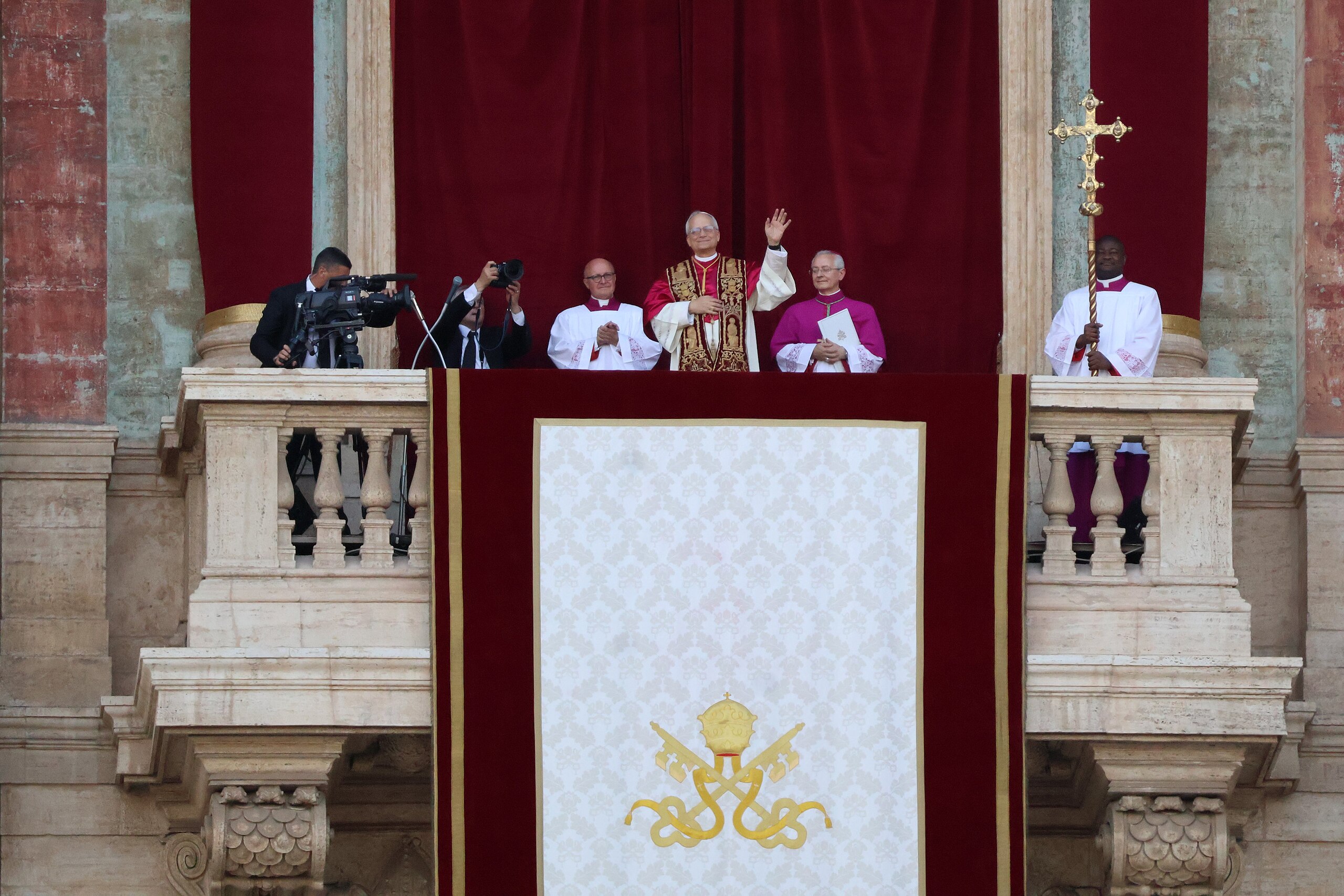
At 19:20, Cardinal Dominique Mamberti proclaimed the traditional Habemus Papam. When Leo XIV emerged, he greeted the crowd in English, Spanish and Italian before offering a brief homily on mercy stronger than despair
. The square fell into reverent silence for the Urbi et Orbi blessing.
5. The First American & a Global Papacy
Leo XIV’s background bridges North and South America. Born to a French-Italian father and a Spanish-American mother, he ministered for years among Quechua-speaking Peruvians, then returned to Rome to oversee bishops worldwide. Bishops from Asia and Africa reportedly saw in him a leader able to decentralise without fragmenting unity.
6. Priority Road-Map
- Synodality 2.0 — deepen dialogue between local Churches and Rome while safeguarding apostolic tradition.
- Option for the Poor — advance projects for migrants, refugees and workers, echoing Leo XIII’s legacy.
- Safe Church — enforce zero-tolerance on abuse, learning from past oversights.
7. A Note on Transparency
Journalists have flagged one unresolved case from the early 2000s involving an abusive friar under Prevost’s leadership. Conclave sources say cardinals questioned him extensively; he pledged stricter accountability. Victims’ groups will watch closely as his papacy unfolds.
Conclusion: A Bridge-Builder for a Polarised Age
In a Church often caricatured as split between “conservative” and “progressive,” Leo XIV embodies a catholic both-and: doctrinal fidelity with pastoral imagination. His election story — swift, hopeful and rooted in mission — suggests a pontificate that may surprise pundits and uplift the peripheries.
© 2025 Leo XIV Community Blog — you may quote this article with attribution.